First-party method example · drinkware

Ceramic mug listing set

A first-party illustrative method example created from Lystiva's own ceramic mug demo. It is not a customer case study, testimonial, or sales result.

Source → roles
The set answers different buyer questions.

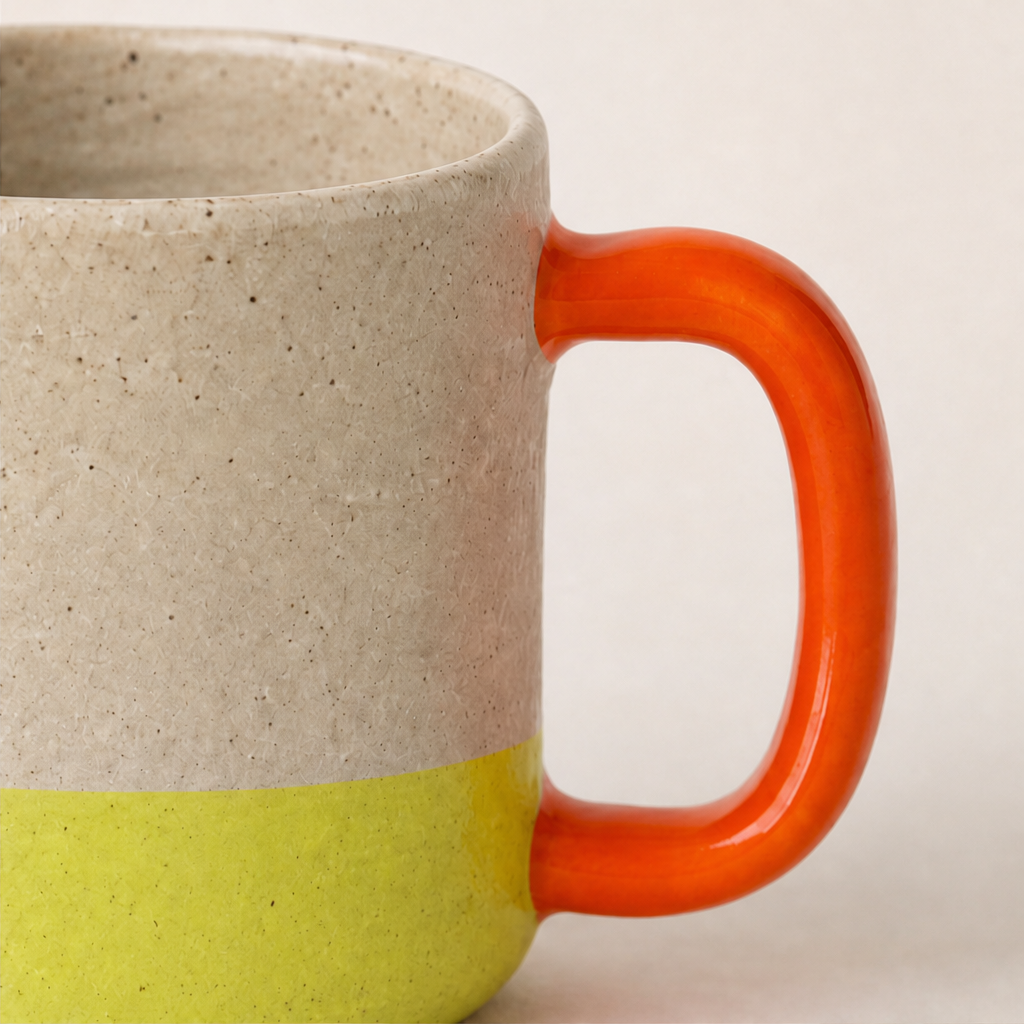
Close-up of the mug's speckled ceramic body, citron glaze and orange handle
Recognize the product
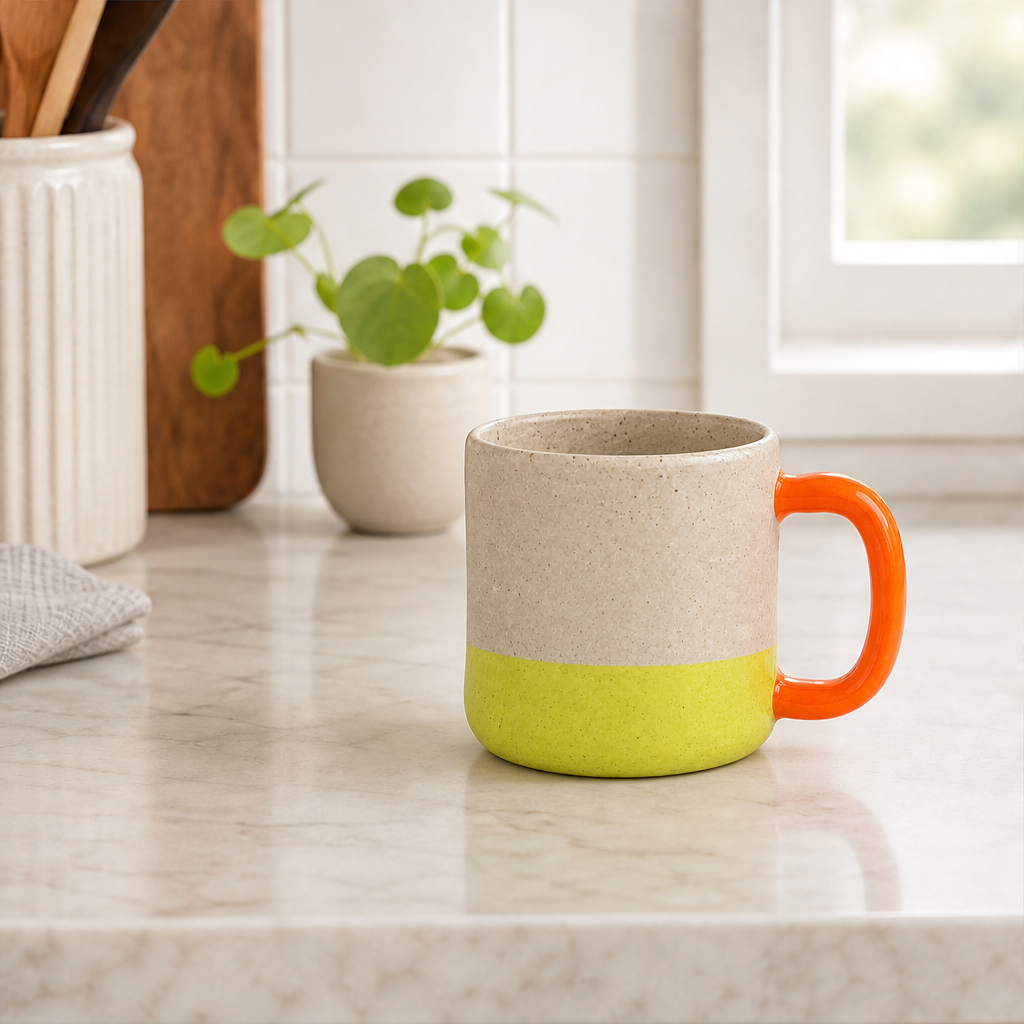
The same ceramic mug styled on a bright kitchen counter
Understand scale and use
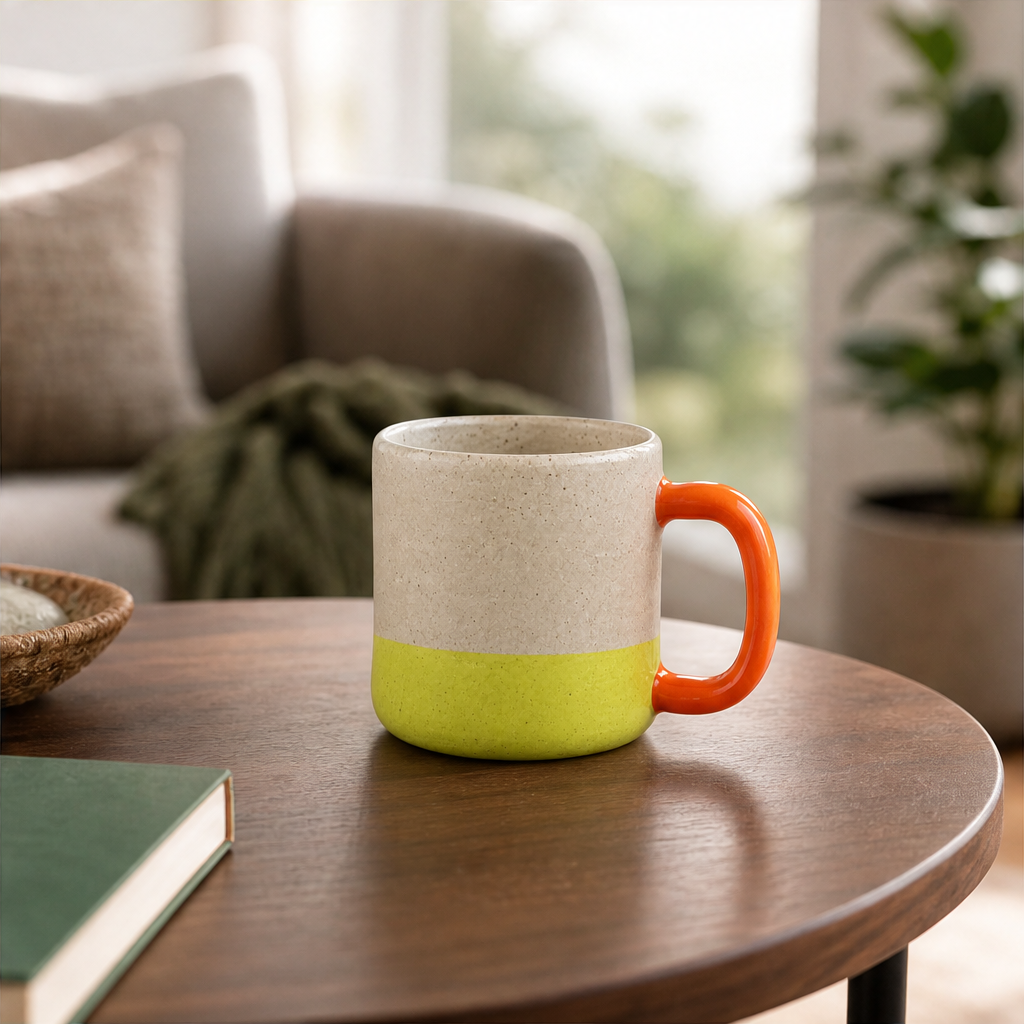
The same ceramic mug styled on a warm living-room table
See finish details
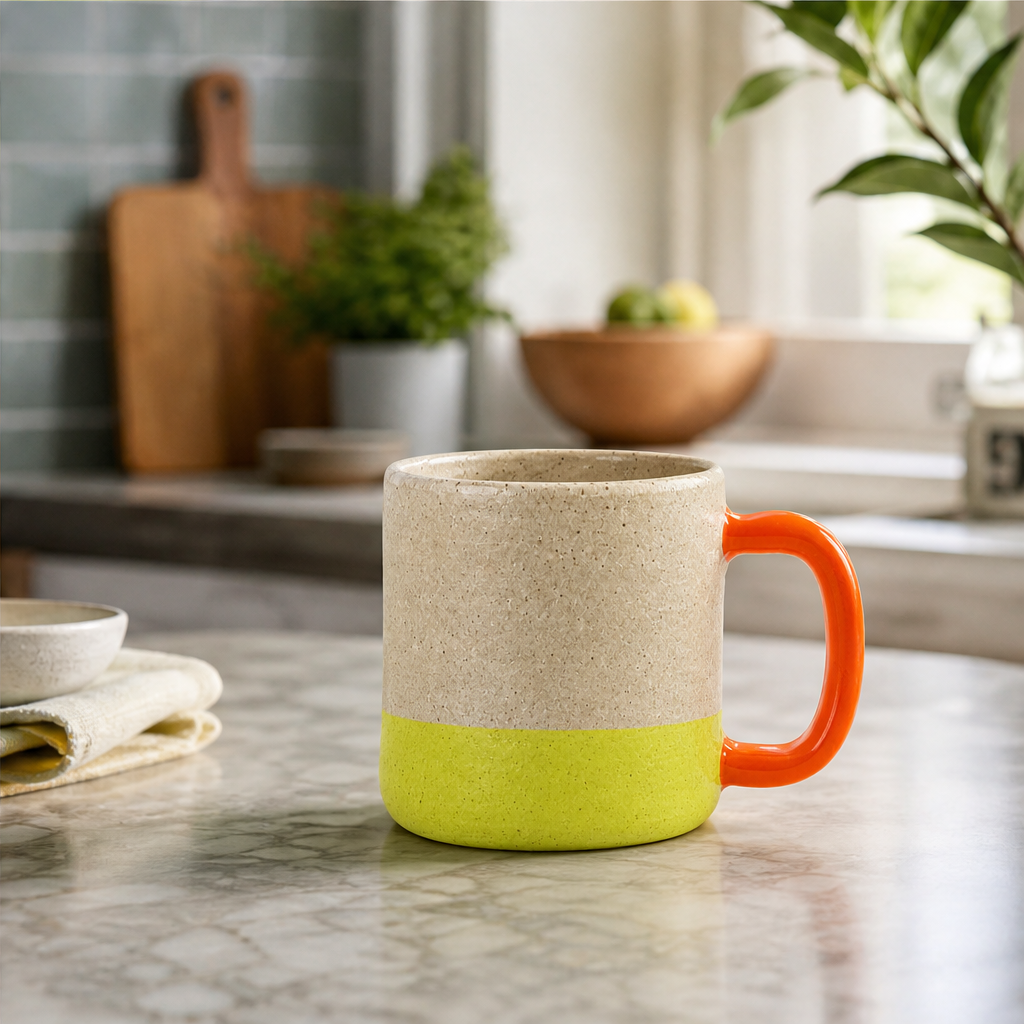
The same ceramic mug photographed in soft daylight on a kitchen counter
Imagine a gifting context

Decision trail

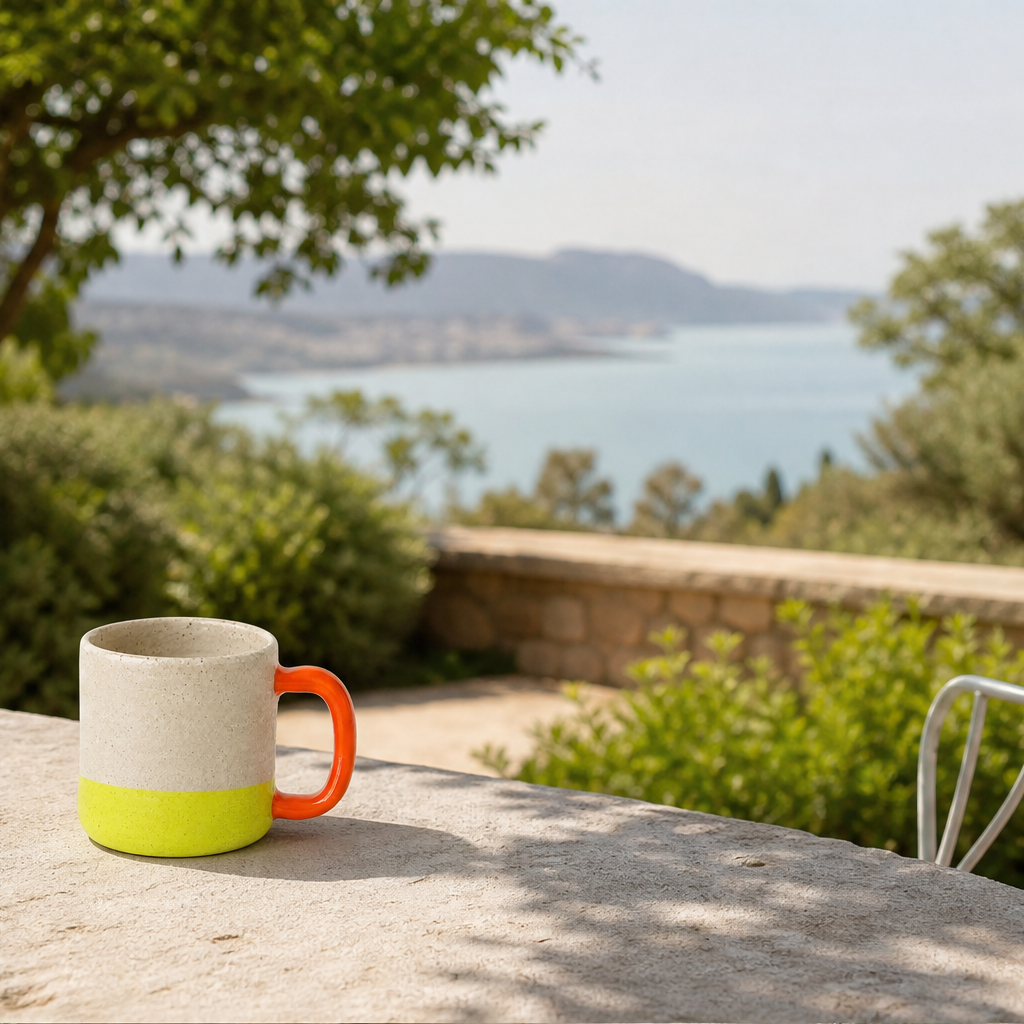
One attractive draft was still rejected.

The same ceramic mug on a sunlit terrace overlooking the coast
Rejected for the primary listing role because the product reads too small in the frame.
Close-up of the mug's speckled ceramic body, citron glaze and orange handle
Selected as the active detail view because the finish and handle remain easy to inspect.

Fact boundary

Visible speckled ceramic body with a citron glaze dip and orange handle.

Exact capacity is not confirmed.

Catalog Photography

Lead with catalog and detail views; move the wide terrace scene out of the primary role.

Copy and destination

A speckled ceramic mug with a citron glaze dip and an orange handle.

Manual marketplace package downloaded for seller upload.

Review notes

What the seller should check.

  • The source photo remains the truth anchor.
  • Each output answers a different buyer question instead of repeating the same angle.
  • The wide terrace draft is not used as the primary listing image because the product reads too small.
  • The seller still reviews color, proportions, details, and final marketplace fit.

Limitations

What this example cannot prove.

  • Generated results vary by source quality and product complexity.
  • The example contains no customer, conversion, ranking, or revenue claim.
  • A seller must confirm any fact that is not directly visible in the source or Source facts.